Wild coffee
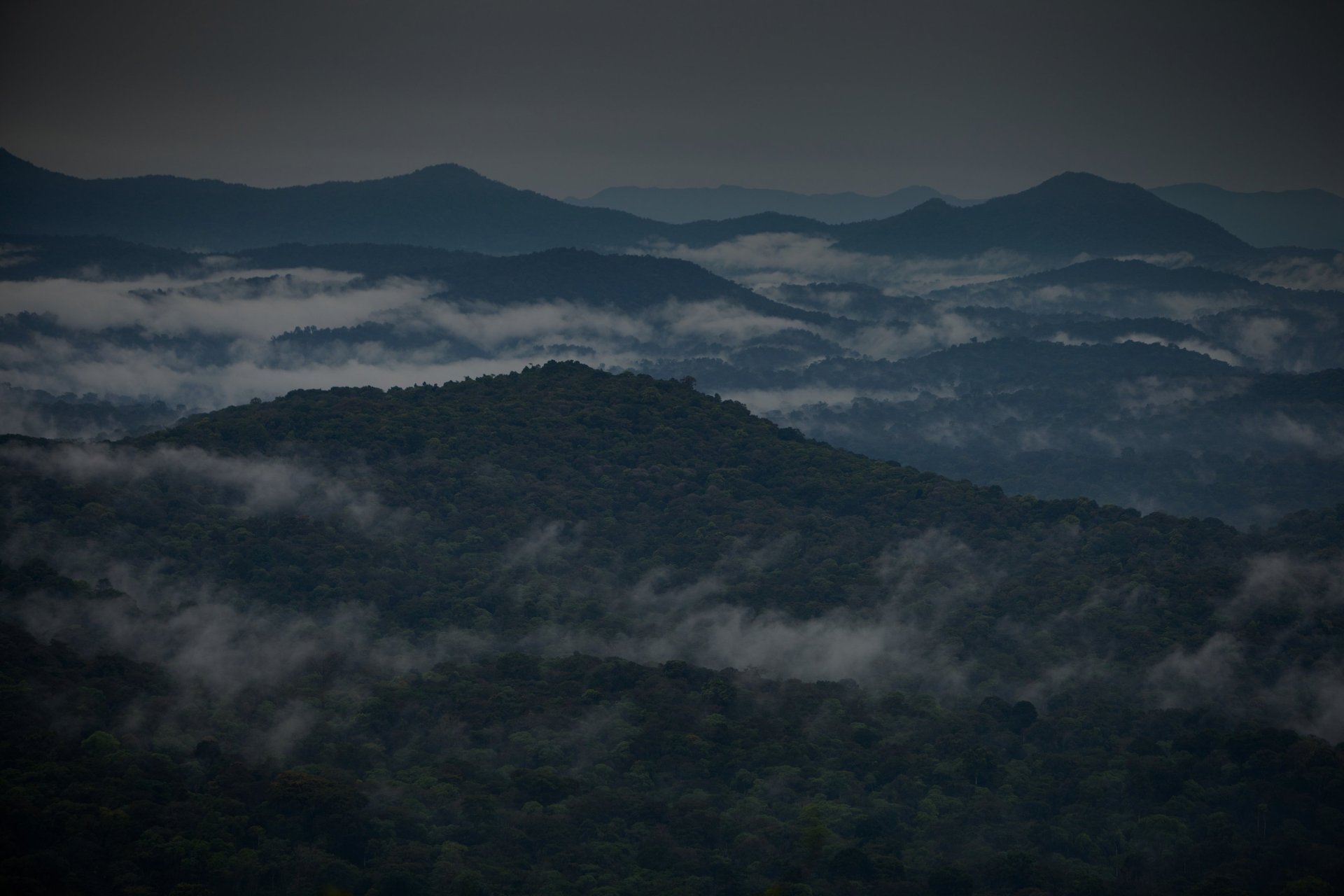
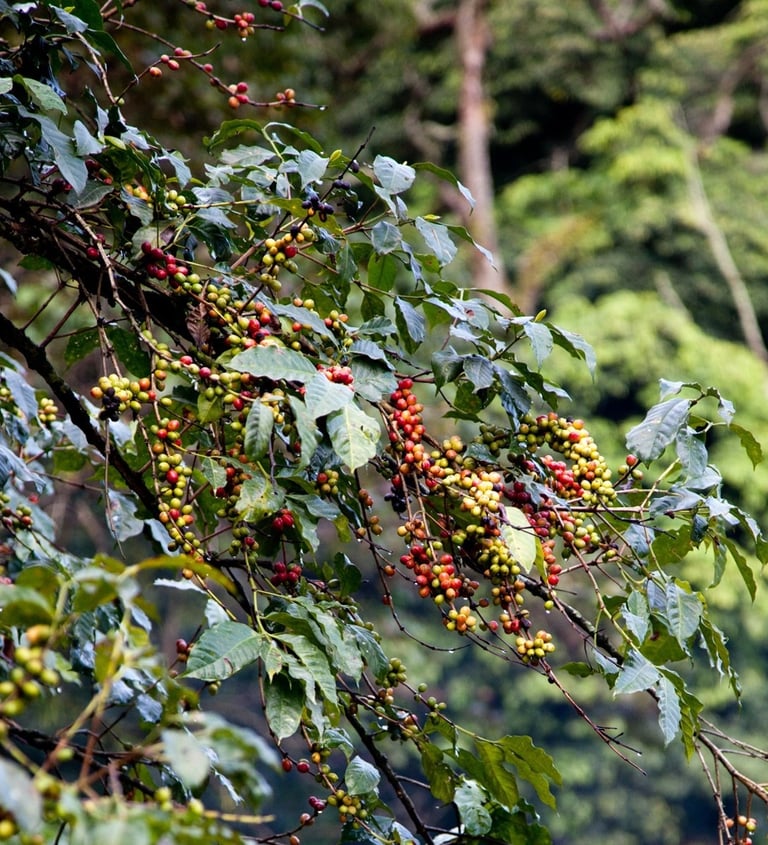
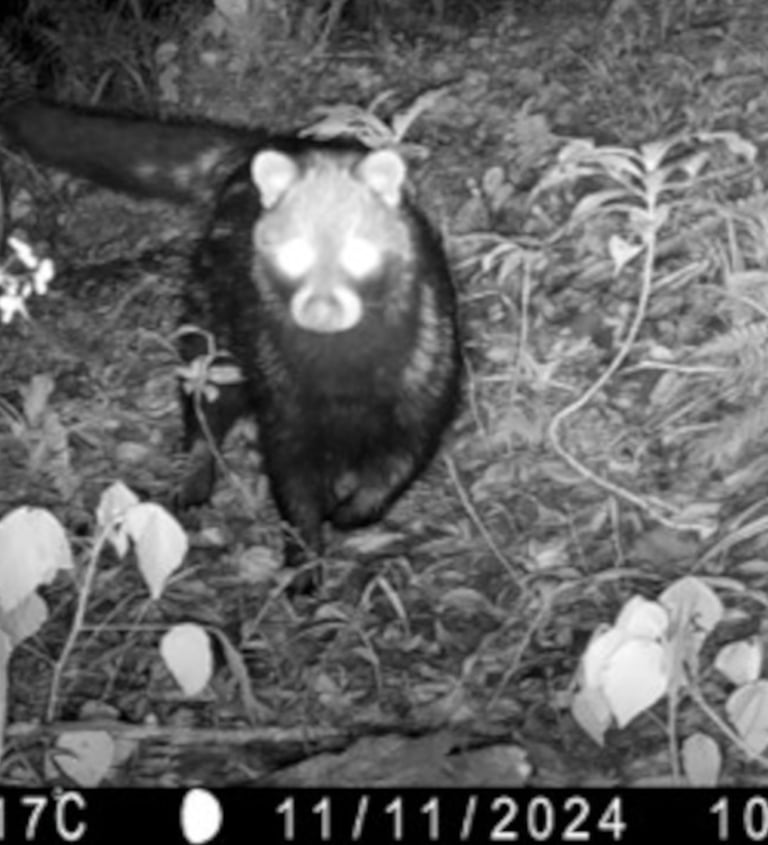
Arabica coffee grows wild in south-west Ethiopia. As an understorey shrub it evolves in this high-altitude forest ecosystem, where it is confronted by deep shade and competition from mid-storey trees, climbing lianas and shrubs. The coffee self-seeds as well as being dispersed by birds, olive baboons and the African civet cat. Yields are extremely small and precious.
Forest Friendly Honey
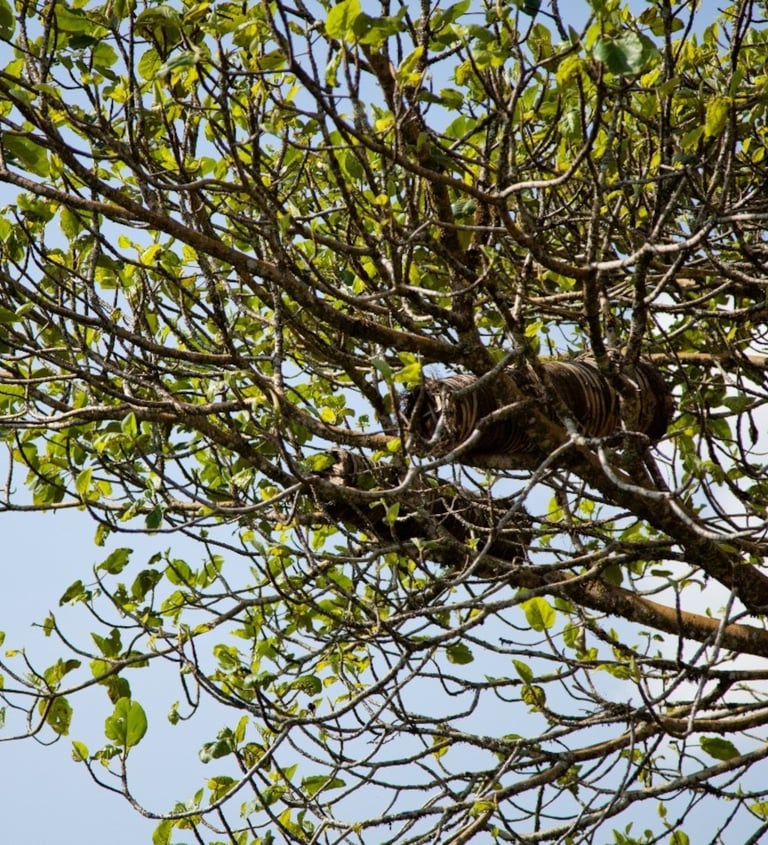
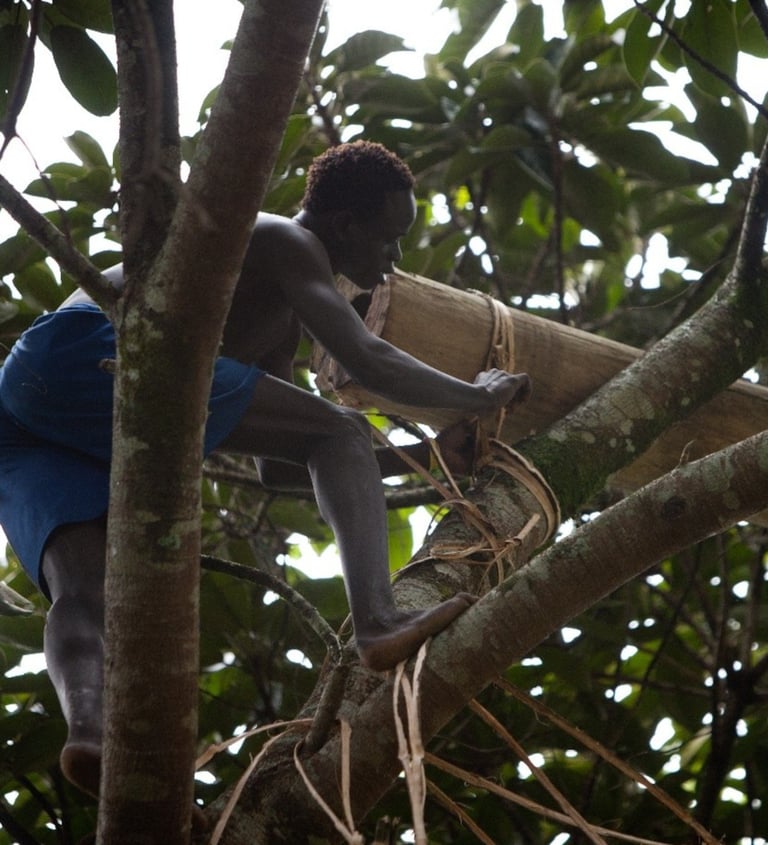
Forest honey from south-west Ethiopia are rich and varied, reflecting and protecting the area's extraordinary biodiversity. Locally constructed log and bamboo hives are positioned high in the forest canopy, yielding white, opaque, monofloral honey from the nectar of the Getemé tree, darker, runnier, polyfloral and more translucent honeys, as well as honeydew varieties.
Biodiversity
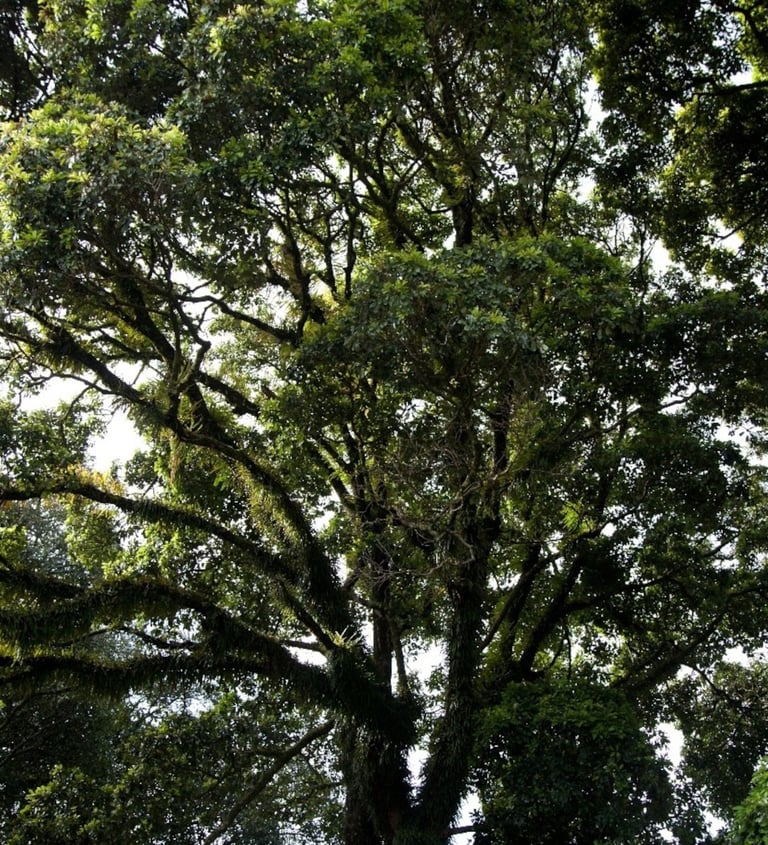
Rich in biodiversity, the Afromontane Forest ecosystems of Anderacha and Bench-Sheko contribute to Ethiopia's position as one of the world's 25 most biodiverse countries. Motion-sensitive cameras have captured diverse, mysterious and colourful wildlife including Colobus, De Brazza, Blue and vervet monkeys, honey badgers, civet cats, genets, antelope, caracal, porcupine and bush pigs.
Community Empowerment
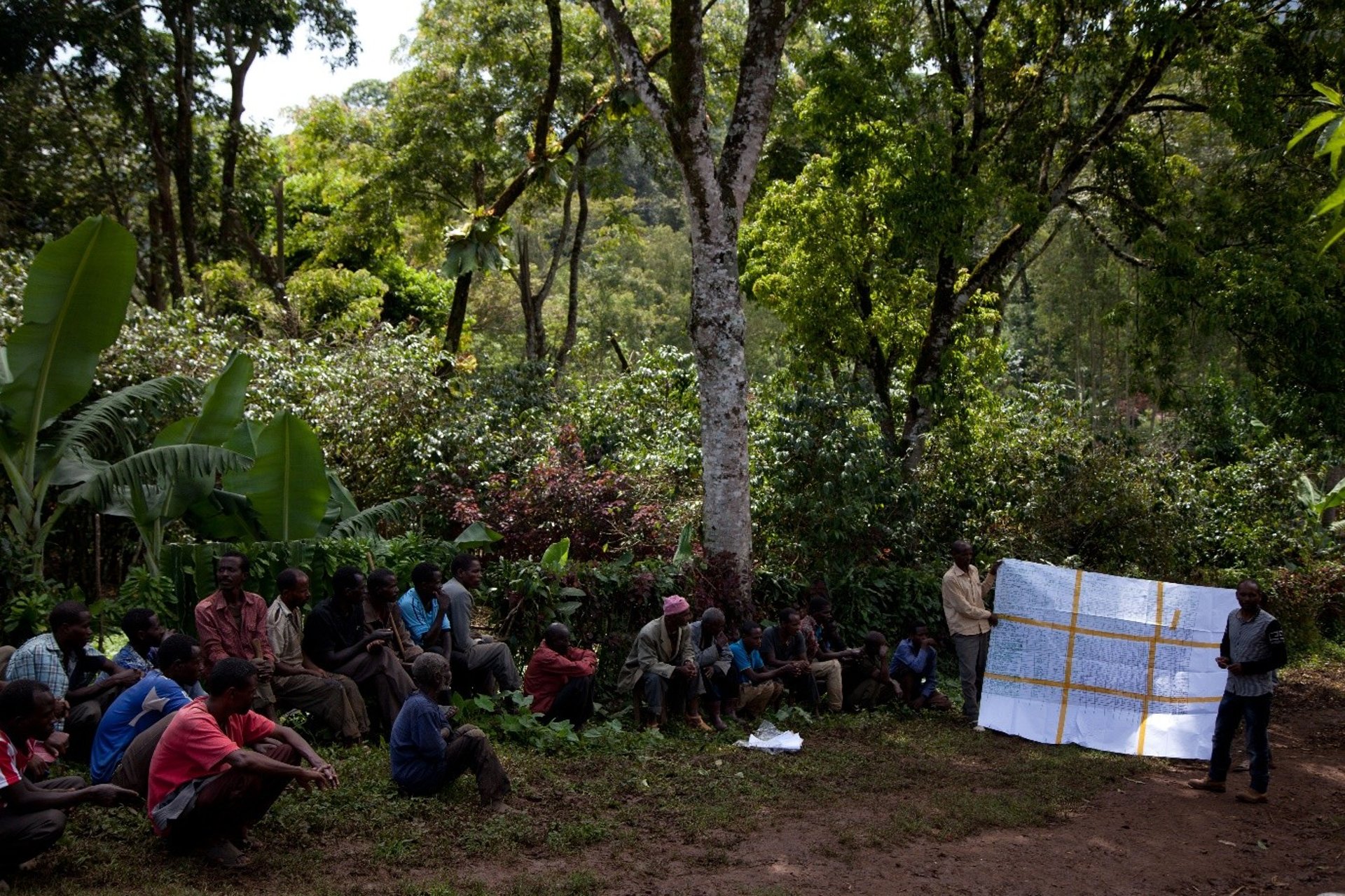
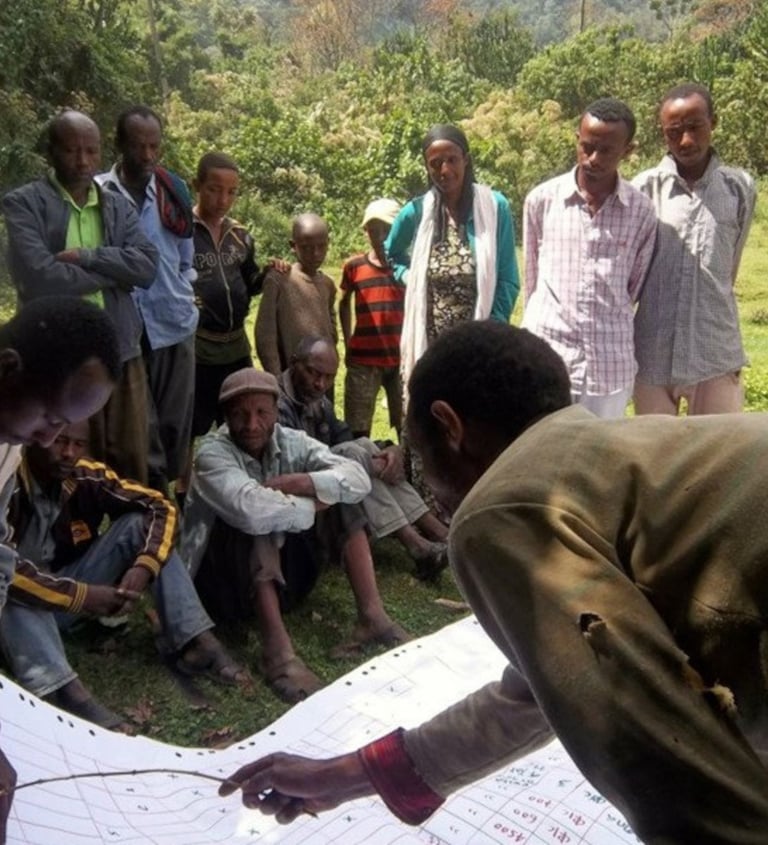
To empower resident communities, forest management agreements and communal land certificates have been signed with government, granting forest access and usage rights. Participation in biodiversity surveys, data gathering, and canopy surveys all further engage forest residents. Coupled with premium prices for forest friendly coffee and honey, this aims to support community empowerment.
Quality & Traceability
Forest honey from south-west Ethiopia are rich and varied, reflecting and protecting the area's extraordinary biodiversity. Locally constructed log and bamboo hives are positioned high in the forest canopy, yielding white, opaque, monofloral honey from the nectar of the Getemé tree, darker, runnier, polyfloral and more translucent honeys, as well as honeydew varieties.
Forest Conservation
Rich in biodiversity, the Afromontane Forest ecosystems of Anderacha and Bench-Sheko contribute to Ethiopia's position as one of the world's 25 most biodiverse countries. Motion-sensitive cameras have captured diverse, mysterious and colourful wildlife including Colobus, De Brazza, Blue and vervet monkeys, honey badgers, civet cats, genets, antelope, caracal, porcupine and bush pigs.
About us
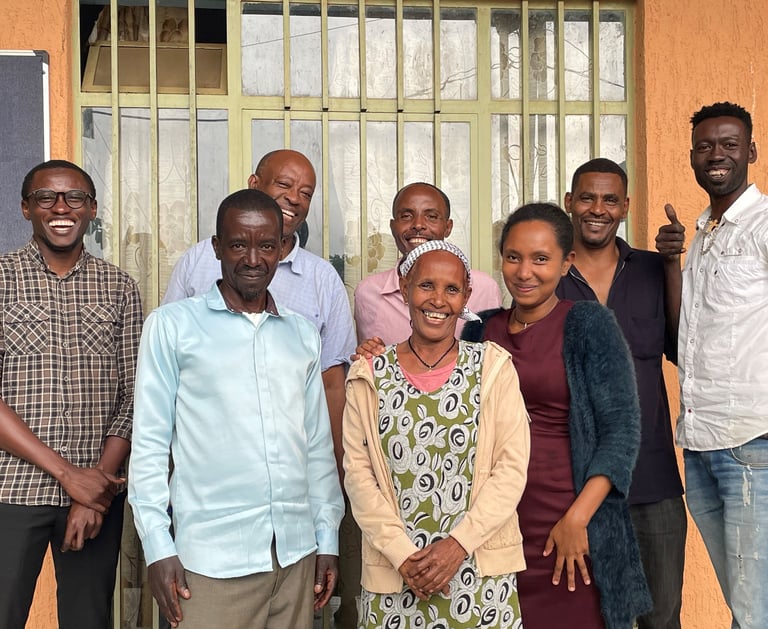
Our team is made up of practitioners and academics from four project implementation partners. These are Ethio-Wetlands and Natural Resources Association (EWNRA), Bees for Development (UK and Ethiopia), and The University of Huddersfield. We are generously and expertly supported by Jersey Overseas Aid and The University of Huddersfield. Most important of all are the forest management groups with which we work in Bench Sheko and in Anderacha, as well as the local government departments that provide permission and expert guidance.